The Importance of Tree Trimming Services: Keeping Your Landscape Beautiful
Tree trimming solutions serve a vital purpose in maintaining an appealing landscape. They enhance the visual aesthetics of trees while promoting overall garden health. Consistent trimming eliminates dead and overgrown branches but also boosts the circulation of air and natural light. Knowing the value of these services contributes to more effective landscape management. As property owners consider their options, they might question the ideal methods and indicators that signal when trimming is needed.
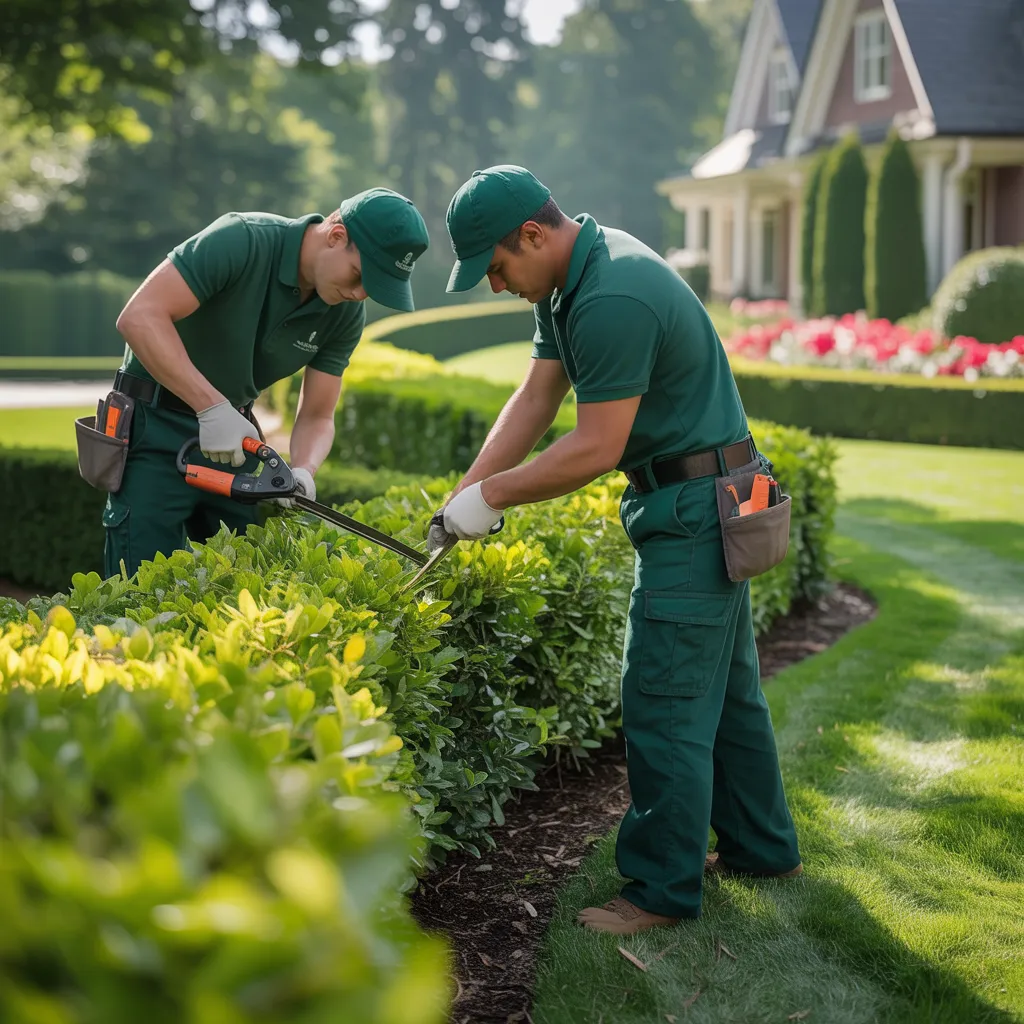
Why Tree Trimming Is Important for Your Landscape
Tree trimming plays an essential role in preserving a vibrant and visually appealing landscape. Consistent trimming boosts the visual attractiveness of trees, guaranteeing they complement the overall design of the garden or property. By removing dead or overgrown branches, tree trimming eliminates unpleasant features that can undermine the beauty of a landscape. Moreover, it facilitates enhanced light penetration and air circulation, contributing to a more open and inviting environment.
In addition, maintaining the form and structure of trees through trimming ensures that they fit well within their surroundings, promoting harmony in the landscape. This method also minimizes the likelihood of branches obstructing buildings, utility lines, or paths, consequently increasing safety. In conclusion, routine tree trimming stands as a fundamental approach for outdoor space upkeep, assuring that trees maintain their health and aesthetic appeal, ultimately elevating the beauty of all outdoor areas.
How Tree Trimming Boosts Tree Health
Tree trimming serves a vital function in boosting tree vitality. By promoting new growth and stopping disease from spreading, it ensures that trees continue to thrive. Moreover, proper trimming improves a tree's structural integrity, helping it withstand environmental stresses more effectively.
Promotes New Growth
Pruning stimulates vigorous new growth by removing dead or overcrowded branches that hinder sunlight and airflow. This practice not only enhances the tree's visual appeal but also promotes healthy development. When branches are pruned, the tree can distribute its energy more efficiently, focusing resources on the growth of new foliage and flowers. Enhanced airflow reduces the chance of fungal infections, while increased light exposure fosters photosynthesis. Therefore, trees become more vigorous and resilient, generating lush growth and fortifying their structure. Routine trimming ensures that trees maintain peak health, helping them prosper in their environment. Consequently, neatly trimmed trees support a more beautiful landscape, showcasing the value of professional tree trimming services.
Prevents Disease Spread
Preserving a healthy tree canopy considerably minimizes the chances of disease transmission among trees. Regular tree trimming is essential for eliminating dead or diseased branches that could harbor pathogens. By eliminating these possible infection sources, the total health of the tree is notably improved, facilitating greater air circulation and sunlight penetration. This proactive approach not only fortifies individual trees but also shields surrounding flora from diseases that can be transmitted through close proximity. Additionally, ensuring proper spacing between branches reduces competition for resources, additionally boosting the tree's resilience. Ultimately, proper tree trimming promotes a lush, healthy landscape, allowing trees to flourish and add positive value to their environment.
Boosts Structural Integrity
Proper tree trimming significantly improves the overall strength and stability of trees, allowing them to endure harsh environmental conditions. By removing dead, weak, or overgrown branches, the process redistributes structural weight and lowers the likelihood of breakage during severe weather or gusty winds. This method fosters a healthier and more uniform canopy, enabling improved light exposure and airflow, factors that are vital to the tree's long-term health. Furthermore, targeted pruning supports healthy development patterns, enabling trees to develop robust root systems. Routine care not only reinforces the tree's physical integrity but also minimizes the likelihood of pest infestations and diseases that can compromise its stability. Ultimately, choosing quality tree trimming services leads to healthier, longer-lasting trees, enhancing the safety and aesthetics of the surrounding landscape.
How to Identify When Your Trees Need to Be Trimmed
How can you tell if trees need trimming? Watching for particular indicators can help you recognize when trees require care. To begin, when a tree displays dead or deteriorating branches, this is a strong sign that trimming is needed. Additionally, branches that have grown excessively and encroach on structures, power lines, or surrounding plants must be managed to encourage healthy development. The general form of a tree serves as another sign; when it looks asymmetrical or uneven, trimming can improve both its aesthetics and stability. Moreover, heavy leaf shedding or thinning foliage may suggest that a tree is in distress and needs proper care. Lastly, an expert evaluation can offer important information about the tree's condition and the potential benefits of trimming. Consistently watching for these indicators ensures that trees stay vibrant and visually appealing, enhancing the overall landscape.
How to Pick the Ideal Tree Trimming Service
Picking the right tree pruning service can considerably affect the health and appearance of your trees. When selecting a service, it is essential to evaluate factors such as qualifications, experience, and customer reviews. A reputable company should utilize qualified arborists who have the knowledge to evaluate tree health and suggest suitable trimming methods.
Those seeking services are encouraged to request bids from various companies, comparing not just costs but also the scope of work included. Looking into liability coverage and safety standards is essential; a reliable company should carry adequate liability protection to protect against possible mishaps.
Furthermore, a reliable tree trimming service will supply a transparent contract detailing the services to be performed, schedules, and billing terms. By doing comprehensive research and raising relevant questions, property owners can be confident that they identify a service that will effectively enhance their landscape while preserving tree health.
The Importance of Tree Trimming for Safety
Tree trimming plays an essential role in preserving safety throughout residential and public spaces. Excessive branch growth can create substantial risks, most notably during storms or gusty conditions, as they could snap and drop, putting people at risk of injury or property destruction. Regular trimming helps guarantee that trees do not encroach on power lines, minimizing the likelihood of power disruptions or electrical hazards.
Additionally, well-maintained trees improve visibility, making navigation on roads and pathways much safer. They also eliminate hiding spots for pests or wildlife that could cause harm. By eliminating dead or diseased branches, tree trimming enhances overall tree health, resulting in a safer environment.
At the end of the day, investing in professional tree trimming services not only boosts the aesthetic appeal of landscapes but also shields communities, making certain that outdoor spaces remain inviting and secure for everyone.
Seasonal Factors to Consider for Tree Trimming
Seasonal factors play a vital role in proper tree trimming. Being aware of spring growth habits can enhance the vitality and structure of trees, while fall readiness measures confirm trees are set for the winter season. Each season offers unique benefits that impact the methods and timing of tree care.
Spring Growth Tendencies
Throughout spring, most trees exhibit a period of rapid development, making it an imperative time for tree trimming. As temperatures rise and daylight increases, trees initiate natural growth mechanisms, resulting in new leaves, flowers, and branches. Such accelerated growth may result in overcrowding and weak branch structures if not properly managed. Pruning trees at this time helps foster vigorous new growth, enhances the tree's shape, and lowers the chances of disease by increasing air movement within the tree's crown. Moreover, eliminating dead or weakened branches supports the overall health of the tree. Effective spring trimming detailed resource not only maintains the aesthetic appeal of landscapes but also lays the basis for strong seasonal growth throughout the growing season, ensuring trees thrive for years to come.
Fall Readiness Checklist
With autumn drawing near, property owners should emphasize critical pruning activities to prepare trees for the upcoming winter months. This time of year is essential for evaluating tree health and guaranteeing structural stability. Eliminating unhealthy or damaged branches is necessary to reduce likely risks during winter storms. Moreover, pruning densely packed sections can promote better ventilation, reducing the risk of fungal infections during wet weather periods. Property owners should likewise evaluate the shape and growth patterns of their trees, ensuring they maintain an aesthetically pleasing silhouette. Appropriate tree care in the autumn months improves both the wellbeing of the trees and the visual charm of the surroundings. Dedicating effort to these activities can lead to healthier trees and a more vibrant outdoor space when the cold winter season begins.
Winter Dormancy Benefits
Embracing the dormant winter season provides notable benefits for tree pruning. During this time, trees retain their energy, facilitating more effective tree care practices. Pruning during winter helps improve tree structure and health, as the absence of leaves allows professionals to evaluate branch strength and detect possible problems. This season also reduces tree stress, as they are unlikely to experience from transplant shock when measured against warmer growing seasons. In addition, cold-season trimming minimizes the chances of harmful pests and tree diseases, which tend to flourish in warmer seasons. All things considered, winter dormancy presents an ideal opportunity for skilled tree trimming specialists to improve the overall landscape, guaranteeing that trees stay vibrant and healthy as they transition into the upcoming spring season.
Evaluating the Cost-Benefit of Professional Tree Care
Although many homeowners might view the cost of professional tree care as an avoidable expenditure, the enduring gains typically surpass the original expense. Engaging professional services guarantees trees are thoroughly looked after, minimizing the chances of disease and deterioration. Healthy trees not only enhance property aesthetics but also boost property value, rendering them a valuable long-term investment.
Additionally, periodic trimming eliminates hazardous situations, including falling branches that can cause substantial damage costs or physical injury. Trained professionals possess the experience and tools essential to perform the job with safety and efficiency, decreasing the probability of accidents.
In addition, properly cared-for trees offer green benefits, such as cleaner air and reduced energy costs through natural shading. By investing in professional tree care, residents can take pride in a flourishing outdoor space, benefiting from both aesthetic pleasure and increased property worth. Essentially, the expense of professional tree maintenance is truly an investment in a property's long-term health and beauty.
Questions We Frequently Receive
How Often Should I Schedule Tree Trimming Services?
Experts recommend planning yearly tree trimming appointments for the majority of trees. Nevertheless, particular needs may change depending on tree species, growth rate, and health, necessitating adjustments to the frequency for the best maintenance and safety outcomes.
Can You Trim Trees at Any Time of Year?
Tree maintenance is generally possible year-round, however, the ideal time is influenced by the type of tree and local climate conditions. Accounting for seasonal changes help optimize overall tree health and growth, keeping trees thriving and well-kept all year long.
What Tools Are Used for Tree Trimming?
Tree trimming typically requires tools such as loppers, hand pruners, chainsaws, and pole saws. Each tool serves a specific purpose, guaranteeing precise and effective cuts and maintaining the overall health and aesthetic of trees during the entire trimming procedure.
Are Permits Necessary for Tree Trimming?
Whether a permit is required for tree trimming depends on the location and applicable regulations. It is advisable for homeowners to check with local authorities to verify compliance with any necessary permits or restrictions before moving forward.
In What Ways Does Tree Trimming Impact Property Value?
Tree maintenance greatly affects home value by boosting curb appeal, promoting tree health, and avoiding potential dangers. Properly trimmed trees foster an appealing setting, attracting potential buyers and contributing to overall landscape aesthetics.